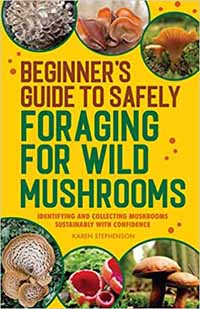
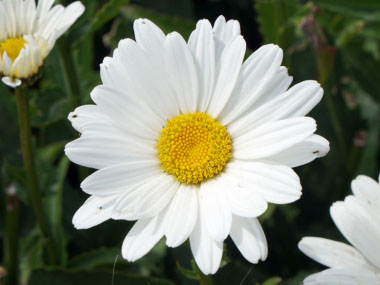
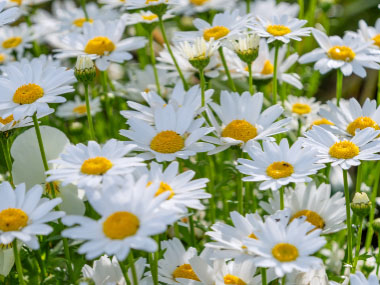
Shasta Daisy
Leucanthemum × superbum



To support our efforts please browse our store (books with health benefits, etc.).
The Shasta Daisy is often referred to as the Common Daisy and is a garden favorite. It is in the Asteraceae family and sometimes confused with the Oxeye Daisy, a wildflower. These daisies are drought and cold-resistant. Interestingly, this plant was cultivated in 1890 by Luther Burbank. Burbank crossed a Japanese daisy with an American daisy creating a flower that reflected moonlight and named it after Mt. Shasta. They are a good addition to a butterfly garden and bloom from early summer to autumn. Shasta daisies are an edible flower. The young plant (leaves and flower buds) can be used in salads and soups.

Seed Life Cycle
Perennial.
Colours
Ray florets white, disc florets yellow.
Height
These can grow anywhere from 30cm to 1.25m (1 to 4').
Health Benefits
Dye
The blooms produce a subtle yellow or pale cream-colored dye. The leaves and stems typically produce shades of yellow-green.
Similar Plants
Winter Survival Food Handbook

Types of Wild Food


Now available! Beginner's Guide to Safely Foraging for Wild Mushrooms